
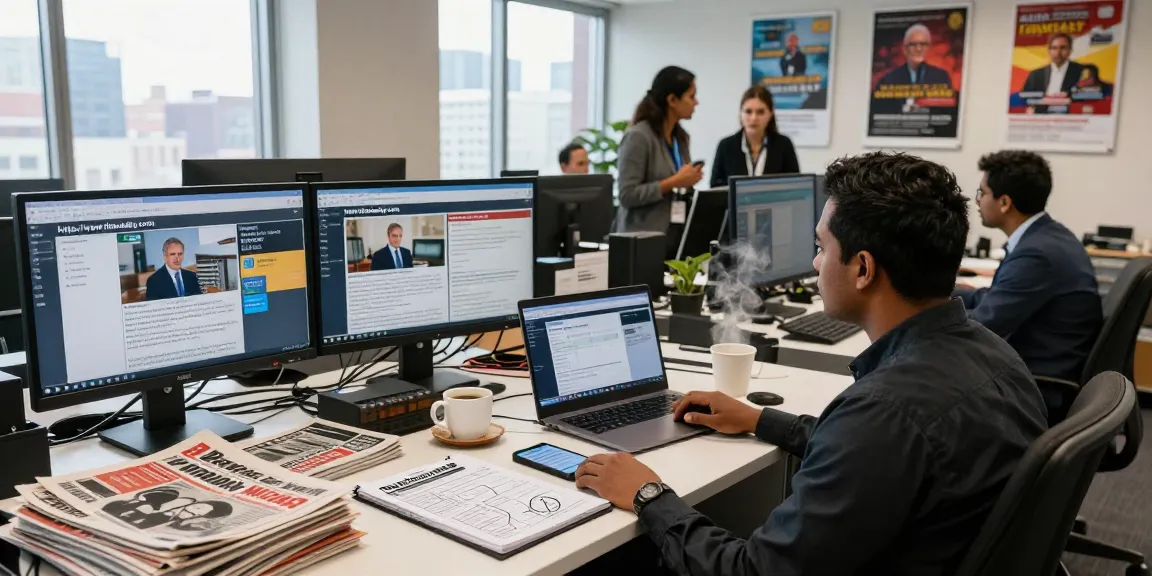
The Evolution of News Consumption in 2026
As we navigate through the complexities of 2026, the landscape of news consumption continues to evolve significantly. The ways in which audiences access and engage with news are dramatically reshaped by advances in technology and changing consumer preferences. With the rise of platforms like https://www.theindaily.com, the demand for timely and relevant content is more pressing than ever. Readers are looking for not only updated information but also interpretations that provide context and deeper understanding.
Shifts in Reader Preferences and Habits
Today’s readers are increasingly valuing convenience and personalization in their news consumption. With busy lifestyles, many prefer consuming bite-sized news across various platforms such as social media, mobile apps, and podcasts. This shift indicates a move away from traditional news formats, such as lengthy articles or televised news broadcasts. Furthermore, the emergence of niche media outlets caters to specific interests, allowing audiences to curate their own news experiences.
Impact of Technology on News Delivery
Technological advancements have revolutionized how news is delivered to consumers. Real-time updates via mobile notifications, sophisticated algorithms recommending content, and interactive multimedia experiences are now commonplace. For instance, augmented reality (AR) and virtual reality (VR) are being utilized to provide immersive news experiences, enabling readers to engage with stories in dynamic new ways. These innovations not only capture attention but also inform audiences more effectively about complex issues.
Emerging Trends in Journalism
In 2026, journalism is witnessing a transformation towards authenticity and transparency. The increasing prevalence of misinformation has prompted media outlets to prioritize fact-checking and uphold journalistic ethics. Additionally, there is a growing trend of collaborative journalism, where various news organizations combine efforts to cover significant issues more comprehensively. This approach not only broadens the scope of reporting but also enhances credibility in an era marked by skepticism towards media.
Key Political Developments in India
India’s political landscape is complex and constantly changing, especially in the context of its upcoming elections. Political developments not only shape domestic policies but also influence international relations. Understanding these dynamics is crucial for both Indian citizens and international observers seeking insight into one of the world’s largest democracies.
Current Political Landscape and Challenges
The current political climate in India is characterized by a polarized electorate and pressing socio-economic challenges. Issues such as unemployment, inflation, and communal tensions are at the forefront of political discourse. Additionally, the ongoing debates over governance styles and economic policies reflect the diverse opinions held by citizens. As the political parties prepare for the elections, the effectiveness of their campaigns will depend on how well they address these pressing concerns.
Predictions for the 2026 Elections
As we look toward the 2026 elections, several trends are anticipated to shape the electoral landscape. Increased voter engagement through social media is expected, as younger populations become more politically active. Furthermore, alliances among regional parties may play a crucial role in determining outcomes, especially in states where local sentiments diverge from national narratives. Analysts will closely monitor how these factors influence voter turnout and preferences.
Influence of Global Politics on India
India’s position on the global stage is also evolving, with increasing attention on its role in international politics. The influence of global issues such as climate change, trade relations, and geopolitical tensions cannot be understated. Additionally, India’s relationships with neighboring countries, especially concerning security and economic partnerships, will have significant implications for domestic policy. Navigating these challenges will be pivotal for India’s aspirations as a global power.
Economic Highlights and Forecasts
The economic narrative in India post-pandemic is one of recovery, growth, and potential uncertainties. Various sectors are set to experience growth, bolstered by government initiatives and private sector investments. Understanding these economic trends is essential for stakeholders, including investors, policymakers, and the general public.
Post-Pandemic Recovery and Growth Trends
India’s recovery from the pandemic has been robust, driven by increased consumer spending and a revival of key industries such as manufacturing and technology. The government’s push for digitization and infrastructure development supports this rebound. However, inflationary pressures and supply chain disruptions pose challenges that need to be addressed to sustain growth.
Sector-by-Sector Analysis for 2026
- Information Technology: The IT sector continues to thrive, with a significant focus on AI and data analytics, driving innovations across industries.
- Healthcare: Ongoing investments in health infrastructure and technology adoption suggest growth opportunities, especially post-COVID-19.
- Renewable Energy: With increased emphasis on sustainability, the renewable energy sector is poised for substantial growth, supported by government policies and private investments.
Investment Opportunities Awaiting Readers
For investors looking for opportunities in 2026, sectors such as green technology, e-commerce, and healthcare present promising avenues. Strategic investments in these areas can yield sustainable returns in light of current trends and future demands. However, it is essential to conduct thorough research and possibly seek expert advice to navigate the evolving market landscape.
Cultural and Social Trends Influencing India
The trajectory of cultural movements and societal changes in India offers profound insights into the nation’s identity. These trends not only reflect the aspirations of the populace but also influence global perceptions of India.
Shifts in Pop Culture and Consumer Behavior
Pop culture in India has seen a dramatic shift, particularly with the rise of digital content platforms. Streaming services and social media have transformed how entertainment is consumed, giving rise to new genres and expanding the reach of regional content. This evolution is altering consumer behavior, as audiences become more discerning and demand greater diversity in storytelling.
The Role of Technology in Cultural Expression
Technology serves as a conduit for cultural expression, allowing artists and creators to showcase their work to a broader audience. Social media platforms play an instrumental role in fostering creativity and providing a stage for cultural dialogues. This democratization of content creation is enabling new voices to emerge and challenging traditional norms.
Social Movements and Their Impact
Social movements in India are gaining momentum, addressing a range of issues from gender equality to environmental sustainability. These movements not only mobilize grassroots support but also influence policy discussions at various levels. The impact of these movements is visible in the media, as they push for greater representation and accountability.
Future of Digital Advertising in News Media
The intersection of digital advertising and news media is evolving, with trends leaning towards personalization and engagement. As more readers migrate to online platforms, advertisers must adapt their strategies to remain relevant.
Personalization and User Engagement Strategies
In an age where consumers demand tailored experiences, personalization in advertising is becoming crucial. Utilizing data analytics to understand reader preferences can enhance engagement and ensure that campaigns resonate with target audiences. Innovative formats such as interactive ads or native advertising are likely to take precedence as brands seek to integrate into the news consumption experience seamlessly.
Ethics of Data Usage in Journalism
With the growing reliance on data-driven strategies, ethical considerations surrounding data privacy and usage have come to the forefront. Media organizations must navigate the delicate balance between personalized advertising and user privacy rights. Transparency in data practices can help build trust while fostering engagement.
Predictions for Advertiser Strategies by 2026
Looking ahead, advertisers are expected to focus on multi-channel strategies that reach audiences across various platforms. Collaborations between advertisers and content creators can lead to innovative campaigns that engage audiences more organically. Additionally, as audiences become more media-savvy, authenticity in messaging will play a vital role in successful advertising strategies.
What are the main topics covered by https://www.theindaily.com?
The In Daily provides comprehensive coverage on various topics, including politics, economics, technology, culture, and more. This array of subjects is designed to inform and engage readers from different backgrounds, making it a crucial resource for understanding contemporary issues in India.
How can international readers benefit from Indian news?
International readers can gain valuable insights into geopolitical developments, economic opportunities, and cultural trends by following Indian news. Understanding India’s multifaceted landscape enables global audiences to contextualize their interests within the broader narrative of global affairs.
What future trends should we expect in news media?
The future of news media is likely to be characterized by increased collaboration, technological integration, and a push toward greater transparency. These trends will enhance the quality of journalism and significantly influence how news is produced and consumed.
What role does technology play in modern journalism?
Technology is central to modern journalism, facilitating faster news delivery, enhancing interactive storytelling, and enabling data-driven reporting. Journalists leverage tools that help them fact-check, analyze data, and engage with audiences in real time across various platforms.
How should advertisers adapt strategies in 2026?
As we move toward 2026, advertisers must prioritize authenticity, creativity, and strategic integration with content. Emphasizing user experience and fostering genuine connections with audiences will be key to maintaining relevance in a rapidly changing media landscape.


