Understanding CNC Machining in China
CNC (Computer Numerical Control) machining has emerged as a cornerstone of modern manufacturing, offering unparalleled precision and efficiency. In China, a hub for global manufacturing, CNC machining services have become increasingly popular due to their capability to produce intricate components across various industries. When exploring options, CNC Machining China providers excel in catering to demands that require high-quality production with quick turnaround times.
What is CNC Machining?
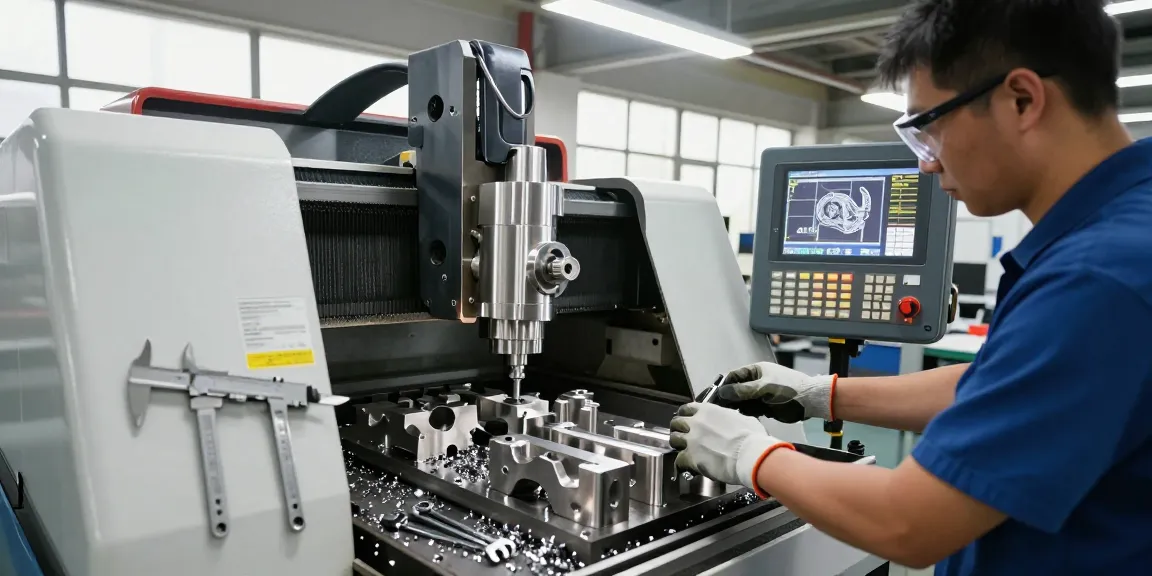
CNC machining is a subtractive manufacturing process that utilizes computer-controlled machines to remove material from a workpiece to create precise shapes and designs. This technology is widely used for creating complex parts from various materials, including metals, plastics, and composites. By programming specific designs into a computer, manufacturers can achieve high levels of accuracy and repeatability, making CNC machining ideal for both prototype and mass production runs.
Why Choose CNC Machining China?
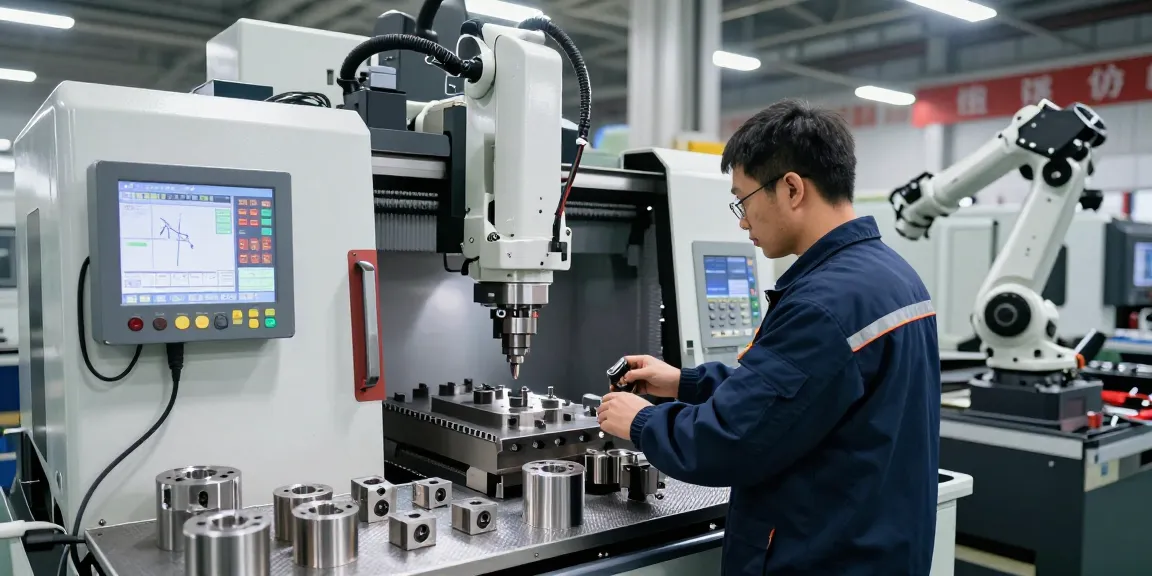
Choosing China as a destination for CNC machining services presents several advantages. First, China's robust infrastructure and vast supply chain allow for quick access to materials and components. Secondly, competitive labor costs make it financially viable for companies to outsource manufacturing tasks. Additionally, China is home to many high-tech facilities equipped with state-of-the-art machinery, ensuring precision and quality in every part manufactured. Furthermore, the experience of Chinese manufacturers in handling diverse projects means they can adapt to various customer needs, offering customization that meets international standards.
Key Industries Leveraging CNC Machining
Many industries benefit from the efficiencies provided by CNC machining, including:
- Aerospace: Requires precision components that meet strict regulatory standards.
- Automotive: Utilizes CNC machining for everything from engine parts to intricate trim pieces.
- Electronics: Needs high precision for components such as circuit boards and casings.
- Medical: Relies on custom parts for devices and surgical instruments.
- Consumer Products: Often requires prototype development and small batch production.
Advantages of CNC Machining Services
Precision and Accuracy in Manufacturing
One of the most significant benefits of CNC machining is its ability to produce parts within tight tolerances. Modern CNC machines can achieve tolerances of ±0.001 inches, making them ideal for industries requiring high levels of detail. This precision reduces the need for extensive post-processing, saving both time and money.
Cost-Effectiveness Compared to Other Methods
Compared to traditional machining methods, CNC machining significantly lowers manufacturing costs, especially for high-volume production. The automated nature of the process minimizes labor costs and human error, while the ability to produce multiple parts in one cycle maximizes output and efficiency.
Flexibility for Various Projects
CNC machining is remarkably versatile, accommodating a wide range of production scales, from single prototypes to thousands of units. This flexibility makes it suitable for businesses of all sizes, allowing them to scale their manufacturing capabilities as needed without changing production methods.
Working with CNC Machining Providers
How to Evaluate Potential Partners?
When selecting a CNC machining provider, critical factors to consider include experience, technology, and client testimonials. Assessing a company's portfolio can help determine their capability to meet specific project requirements. Furthermore, it is essential to ensure that they have experience in the relevant industry and can provide the necessary certifications to guarantee quality.
Communication and Coordination Best Practices
Efficient communication is vital when collaborating with CNC machining providers. Establishing clear channels for updates and feedback will ensure that expectations are met and any issues are addressed promptly. Utilizing platforms that allow for real-time updates can significantly enhance coordination throughout the project.
Understanding Project Timelines and Lead Times
Lead times can vary widely based on the complexity of the project and the provider's capacity. Discussing timelines upfront will help in managing expectations and ensuring that deliverables align with project schedules. Providers should offer transparency in their processes, from initial design through to production and shipping.
Quality Control Measures in CNC Machining
Advanced Testing Techniques
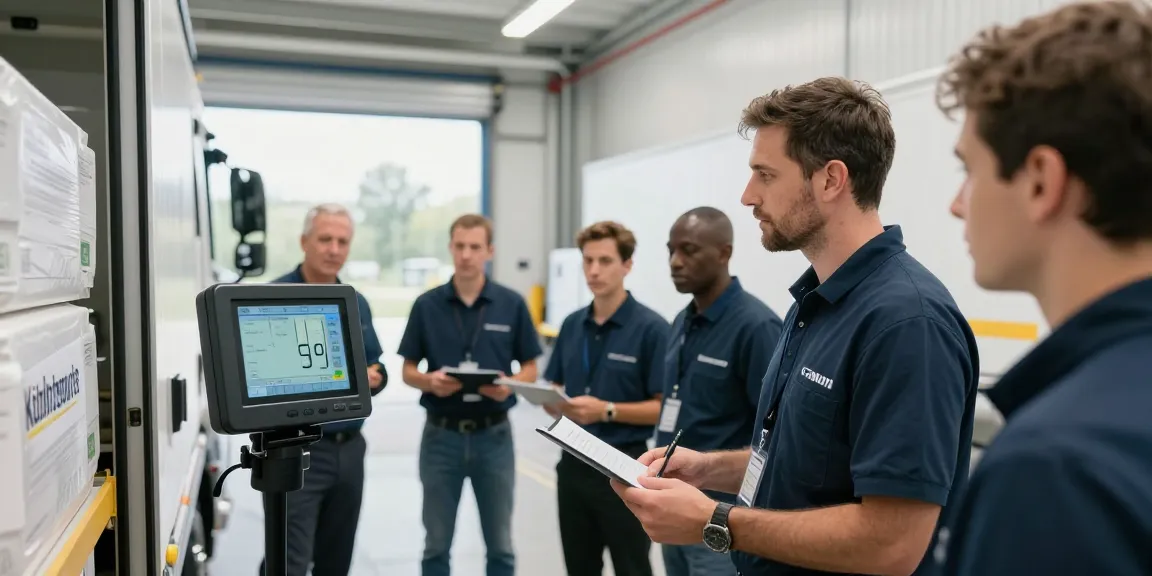
Quality control in CNC machining involves a series of advanced testing techniques to ensure that parts meet the required specifications. Techniques such as coordinate measuring machines (CMM), laser scanning, and non-destructive testing can provide a comprehensive quality assurance framework.
Inspections and Certifications to Look For
When selecting a CNC machining provider, ensure they are compliant with industry standards and certifications, such as ISO 9001. These certifications demonstrate a commitment to maintaining quality and precision in manufacturing processes.
Common Quality Assurance Practices
Standard practices include routine inspections at various stages of production, detailed documentation of measurements, and consistent calibration of machinery. These practices help catch potential issues early in the manufacturing process, reducing waste and ensuring high-quality output.
Future Trends in CNC Machining in China
Technological Advancements to Anticipate
The future of CNC machining in China is expected to be driven by advancements in technology. Innovations such as artificial intelligence and machine learning will likely enhance production efficiency and quality control processes. Additionally, the integration of the Internet of Things (IoT) will facilitate real-time monitoring and data collection, resulting in smarter manufacturing environments.
Market Growth and Projections for 2026
According to industry analyses, the CNC machining market is projected to grow significantly, driven by increased demand in sectors such as automotive, aerospace, and electronics. This growth is facilitated by the expanding capabilities of Chinese manufacturers to produce complex parts swiftly and cost-effectively.
Emerging Applications and Innovations
New applications are emerging in sectors like renewable energy, where CNC machined components are utilized in wind turbines and solar panels. Moreover, 3D printing techniques are being integrated into CNC processes to enhance design flexibility and production capabilities.
What are the Advantages of CNC Machining?
The primary advantages of CNC machining include precision, efficiency, reduced labor costs, and the ability to produce complex geometries that would be difficult or impossible with traditional machining methods. Moreover, the capability to produce prototypes quickly makes it invaluable for product development cycles.
How To Select the Right CNC Machining Partner?
Selecting the right CNC machining partner involves assessing experience, technology use, customer service, and the ability to meet specific demands. Engaging in preliminary discussions about your project can provide insight into whether the provider is a good fit.
What Industries Benefit Most from CNC Machining?
Industries such as aerospace, automotive, medical devices, and electronics significantly benefit from CNC machining due to their need for precision and high-quality standards. Each of these sectors requires unique capabilities, making CNC machining an essential service.
What Quality Checks are Essential in CNC Machining?
Key quality checks include dimensional accuracy, surface finish assessments, and material inspections. Each of these checks ensures that the parts produced meet the necessary specifications and quality standards required for their intended application.
What Trends Will Shape CNC Machining in 2026?
Future trends will likely include increased automation, sustainability initiatives in manufacturing processes, and further integration of advanced technologies. Companies that adapt to these trends will remain competitive in the evolving landscape of CNC machining.