Understanding Custom Stainless Steel Parts
Custom stainless steel parts have become increasingly essential across various industries due to their durability, versatility, and resistance to corrosion. These components are designed to meet specific requirements, providing tailored solutions that enhance functionality and performance. As industries evolve and demand more innovative approaches, the role of custom stainless steel parts continues to expand. When exploring options, custom stainless steel parts offer comprehensive insights into tailored manufacturing possibilities.
What are Custom Stainless Steel Parts?
Custom stainless steel parts are specialized components manufactured to precise specifications to fulfill unique requirements in various applications. Unlike standard parts, custom options allow for tailored geometry, size, and functionality, ensuring they fit specific operational needs. Manufacturers can use techniques like CNC machining, welding, and additive manufacturing to create these parts, which are essential in settings ranging from aerospace to medical devices.
Applications in Various Industries
The versatility of custom stainless steel parts makes them suitable for a wide array of applications across many industries:
- Aerospace: Components need to withstand extreme temperatures and pressures.
- Medical: Surgical instruments and implants require high sanitary standards and durability.
- Agriculture: Equipment exposed to harsh environmental conditions benefits from corrosion resistance.
- Automotive: Structural and performance-based parts enhance operational efficiency.
- Food Processing: Custom parts ensure compliance with health regulations while offering longevity.
Benefits of Using Stainless Steel
Stainless steel is a material of choice for custom parts due to its numerous advantages:
- Corrosion Resistance: Essential for applications exposed to moisture and chemicals.
- Durability: High tensile strength contributes to longevity and reduced maintenance costs.
- Versatility: Can be easily fabricated into various shapes and sizes.
- Hygiene: Non-porous surface reduces bacteria growth, making it ideal for food and medical settings.
- Recyclability: Stainless steel is fully recyclable, aligning with sustainability goals.
Key Manufacturing Processes for Custom Parts
CNC Machining Techniques
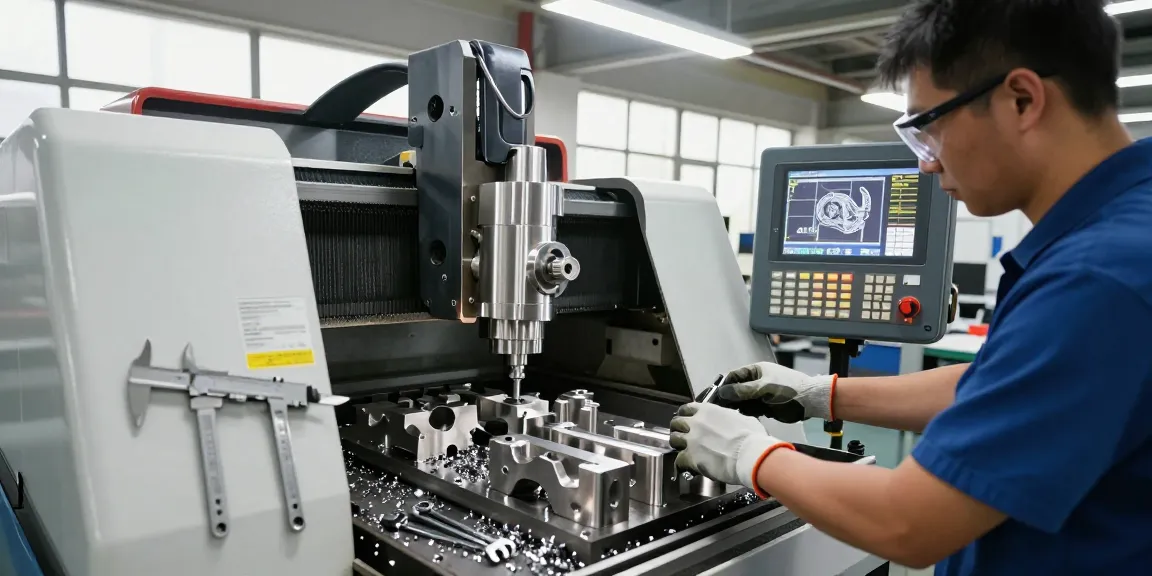
CNC (Computer Numerical Control) machining is a pivotal technology in the manufacturing of custom stainless steel parts. This automated process allows for high precision and repeatability, which is critical in producing complex geometries that are often required by industries. CNC machines can handle various stainless steel grades, ensuring that the final part meets the exact design specifications. Additionally, CNC machining supports various operations such as milling, turning, and drilling, all essential for fabricating custom components.
3D Printing and Additive Manufacturing
As industries seek faster and more flexible production methods, 3D printing has emerged as a transformative manufacturing technique. Additive manufacturing allows for the creation of intricate designs that would be difficult or impossible to achieve through traditional methods. With advancements in metal 3D printing technologies, manufacturers can now produce custom stainless steel parts that are both lightweight and robust, thus expanding the design possibilities in aerospace, healthcare, and beyond.
Welding and Fabrication Methods
Welding plays a critical role in the fabrication of custom stainless steel parts, especially when creating assemblies or larger structures. Techniques such as TIG (Tungsten Inert Gas) welding and MIG (Metal Inert Gas) welding are commonly used for their precision and versatility. Custom fabrication processes allow manufacturers to combine different parts, ensuring structural integrity while meeting specific design requirements.
Design Considerations for Optimal Performance
Material Selection and Specifications
Choosing the right stainless steel grade is fundamental when designing custom parts. Different grades offer varying levels of corrosion resistance, strength, and machinability. For instance, Stainless Steel 304 is commonly used for general purposes, while Stainless Steel 316 is preferred in marine applications due to its enhanced corrosion resistance. Understanding the mechanical properties and suitability of each grade ensures optimal performance and longevity in various applications.
Design Software and Tools
The use of advanced design software is crucial in modern manufacturing. Programs like CAD (Computer-Aided Design) and CAM (Computer-Aided Manufacturing) allow engineers to create precise models and simulate the manufacturing process. These tools help identify potential issues before production begins, saving time and resources while ensuring that the final product meets all specifications.
Best Practices in Design for Manufacturability
Designing for manufacturability (DFM) is essential for reducing production costs and enhancing product quality. Key best practices include:
- Minimizing complex geometries to reduce machining time.
- Standardizing components to streamline the manufacturing process.
- Incorporating tolerances that account for machining capabilities.
- Ensuring easy access for assembly and maintenance.
Quality Control and Testing Standards
Measurement and Inspection Techniques
To ensure that custom stainless steel parts meet the required specifications, rigorous quality control and testing processes are implemented. Techniques such as CMM (Coordinate Measuring Machine) inspections and non-destructive testing (NDT) help verify the dimensions and structural integrity of components before they are deployed in critical applications.
Common Quality Assurance Practices
Quality assurance practices are vital to ensuring that the manufacturing process remains consistent and reliable. This includes obtaining certifications such as ISO 9001, implementing standardized operating procedures, and conducting regular audits. Companies that prioritize quality assurance not only enhance customer satisfaction but also reduce the risk of failures in the field.
Industry Standards Compliance
Compliance with industry standards is paramount in the manufacturing of custom stainless steel parts. Adherence to ISO, ASTM, and other relevant standards ensures that products meet safety and performance benchmarks necessary for specific applications. Regular updates and training help manufacturers stay compliant with evolving regulations.
Future Trends in Custom Stainless Steel Parts Manufacturing
Emerging Technologies and Innovations
The future of custom stainless steel parts manufacturing is bright, largely due to emerging technologies. Innovations in automation, robotics, and AI-driven processes are set to transform production efficiency and accuracy. Furthermore, advancements in smart manufacturing technologies allow for real-time monitoring and data analysis, contributing to continuous improvement in quality and productivity.
Sustainability in Material Sourcing
As industries move towards more sustainable practices, the sourcing of raw materials will undergo significant changes. The focus will shift towards using recycled stainless steel and ensuring that the entire manufacturing process is energy-efficient. Companies committed to sustainability will not only enhance their brand reputation but also attract environmentally conscious customers.
Predictions for 2026 and Beyond
Looking ahead to 2026, we can expect further integration of advanced manufacturing techniques, possibly introducing more hybrid approaches that combine traditional and innovative methods. The demand for custom stainless steel parts will likely increase as industries emphasize performance, durability, and sustainability. Furthermore, the ongoing development of multi-material printing processes could open new avenues for creating hybrid components that leverage the properties of different materials.
What are the advantages of custom stainless steel parts?
Custom stainless steel parts offer numerous advantages, including tailored specifications to meet specific operational needs, enhanced durability and performance, and compliance with industry standards. They also allow for greater design flexibility, which can lead to innovation and improved efficiency in various applications.
How can I ensure the quality of my stainless steel components?
To ensure the quality of your stainless steel components, partner with reputable manufacturers that emphasize quality control, utilize advanced inspection techniques, and adhere to industry standards. Regular audits and feedback loops can also help maintain high standards during production.
What industries benefit most from custom stainless steel parts?
The industries that benefit most from custom stainless steel parts include aerospace, medical, automotive, food processing, and agriculture. Each of these sectors has unique requirements that custom parts can address, improving the overall functionality and compliance of their operations.
What is the role of CNC machining in manufacturing stainless steel parts?
CNC machining plays a crucial role in producing custom stainless steel parts by offering high precision, repeatability, and the ability to create complex geometries. This technology allows manufacturers to efficiently produce high-quality components tailored to strict specifications.
How to choose the right fabricator for custom stainless steel parts?
Choosing the right fabricator for custom stainless steel parts involves evaluating their experience, capabilities, production processes, and quality assurance practices. It’s also essential to consider their ability to communicate effectively and provide support throughout the design and manufacturing process.