Understanding the Role of an Industrial Crane Manufacturer in China
In the landscape of heavy industrial operations, the role of an industrial crane manufacturer in China is both pivotal and multifaceted. These manufacturers provide essential lifting solutions that are integral to various industries, from construction and manufacturing to logistics and aerospace. With the capabilities to produce a range of cranes, including overhead cranes, gantry cranes, and hoists, these manufacturers cater to the demanding lifting needs of diverse sectors. When exploring options, industrial crane manufacturer China provides comprehensive insights into the latest technical advancements, compliance standards, and design innovations that enhance operational efficiency and safety.
What Defines an Industrial Crane Manufacturer?
An industrial crane manufacturer specializes in the design, fabrication, and supply of lifting equipment that meets rigorous industry standards. These manufacturers employ skilled engineers and utilize advanced technologies to create cranes that are not only robust and reliable but also compliant with international safety regulations. Key characteristics include:
- Engineering Expertise: An industrial crane manufacturer must possess a team of engineers who can design customized lifting solutions tailored to specific operational requirements.
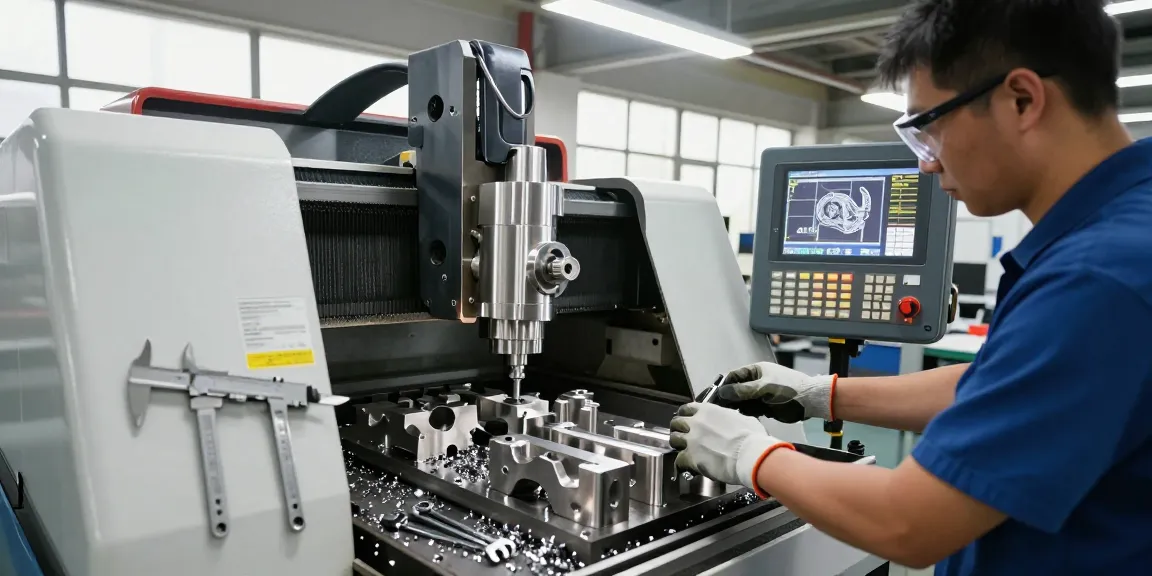
- Advanced Manufacturing Processes: Utilizing modern fabrication techniques, such as CNC machining and robotic welding, ensures the production of high-quality cranes.
- Comprehensive Support Services: From initial design consultation to post-installation support, extending service capabilities is crucial for client satisfaction.
Core Offerings of an Industrial Crane Manufacturer
Industrial crane manufacturers typically offer a wide range of products that cater to different lifting applications:
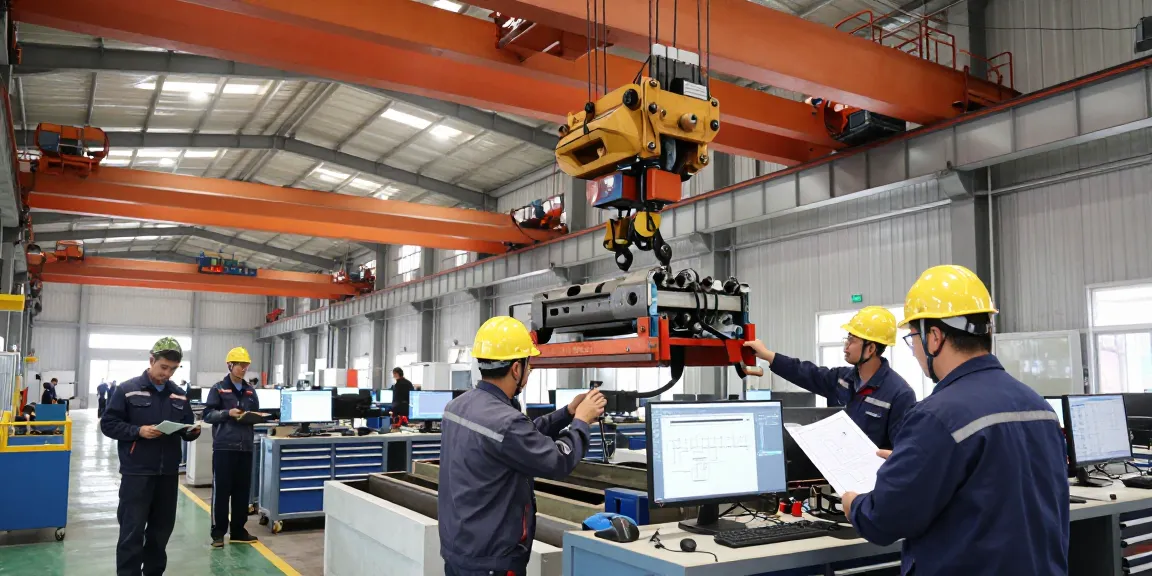
- Overhead Cranes: Ideal for indoor operations, overhead cranes provide efficient lifting and precise load positioning.
- Gantry Cranes: Suitable for outdoor settings, these cranes offer flexibility with large spans and heavy load capacities.
- Electric Hoists: Used in various applications, electric hoists enhance lifting efficiency, especially in compact spaces.
Importance of Certifications and Compliance
In the crane manufacturing industry, certifications play a vital role in ensuring product quality and safety. Manufacturers must comply with local and international standards, such as ISO 9001 for quality management systems and ISO 14001 for environmental management. Compliance not only enhances a manufacturer’s credibility but also assures clients that their equipment meets stringent safety and performance benchmarks.
Key Considerations in Choosing an Industrial Crane Manufacturer in China
When selecting an industrial crane manufacturer, several factors should be taken into account to ensure a successful partnership and a reliable lifting solution.
Evaluating Manufacturing Capabilities and Technology
Assessing the manufacturing capabilities of a crane manufacturer is critical. High-quality cranes require modern technology and processes. Key aspects to consider include:
- Production Capacity: A manufacturer’s ability to handle large orders and deliver on time is essential for operational efficiency.
- Technological Innovations: Look for manufacturers who invest in automation and advanced manufacturing technologies that improve precision and reduce lead times.
- Customization Flexibility: The ability to tailor cranes to meet specific requirements or unique applications is a significant advantage.
Assessing Quality Control Standards and Testing Procedures
To ensure cranes perform reliably under demanding conditions, manufacturers should have rigorous quality control measures in place. This includes:
- Material Inspection: All materials should be thoroughly tested before use to ensure they meet quality and safety standards.
- Load Testing: Cranes must be subjected to load tests to verify their lifting capabilities and structural integrity.
- Third-Party Inspections: Independent audits can provide additional assurance of compliance with safety standards.
Understanding Customization Options for Unique Projects
Different industries often have unique lifting requirements. A competent industrial crane manufacturer should offer customization options that include:
- Specialized Designs: Tailored designs that cater to the specific needs of different industries, such as high-temperature applications in steel manufacturing or explosion-proof configurations for oil refineries.
- Varied Lifting Capacities: Custom solutions that accommodate a range of lifting capacities from lightweight applications to heavy-duty tasks.
- Adaptable Features: Flexibility in making adjustments such as hook height, span length, and control systems based on client specifications.
Exploring Common Applications of Industrial Cranes in Various Industries
Industrial cranes are utilized across a myriad of sectors, each with unique demands for efficiency, safety, and reliability.
Heavy Industry Applications and Challenges
In sectors such as steel manufacturing and petrochemicals, cranes often face challenges like high temperatures, harsh environments, and heavy loads. Efficient crane systems are crucial for:
- Reducing Downtime: Reliable lifting solutions prevent production delays by ensuring materials are moved efficiently.
- Enhancing Safety: Advanced safety features such as overload protection and anti-collision systems minimize the risk of accidents.
- Meeting Environmental Standards: Cranes designed with sustainable practices can help companies comply with environmental regulations.
Logistics and Warehousing Solutions
In logistics and warehousing, cranes play a vital role in material handling, inventory management, and optimizing space. Key functionalities include:
- Efficient Load Handling: Cranes automate the loading and unloading processes, reducing labor costs and increasing throughput.
- Space Optimization: Cranes can operate in vertical spaces, allowing for higher stacking and better utilization of warehouse layouts.
- Real-Time Inventory Management: Integration with warehouse management systems enhances tracking and inventory control.
Aerospace and Precision Manufacturing Needs
The aerospace industry requires lifting solutions that ensure precision and safety during assembly and maintenance. Cranes must be:
- Highly Accurate: Capable of positioning components with millimeter precision to meet stringent quality requirements.
- Lightweight yet Durable: The use of advanced materials can reduce weight while maintaining structural integrity.
- Integrated with Smart Technology: Automation features can streamline processes and enhance overall productivity.
Best Practices for Collaborating with an Industrial Crane Manufacturer
Building a successful relationship with an industrial crane manufacturer involves clear communication and effective project management throughout the collaboration process.
Initial Consultation and Needs Assessment
Before beginning a project, it is essential to conduct an initial consultation to discuss specific lifting requirements, timelines, and budget constraints. This stage includes:
- Identifying Use Cases: Understanding specific applications helps define the necessary specifications and features.
- Site Evaluation: Assessing the installation site can reveal potential challenges, such as space limitations or environmental factors.
- Defining Success Criteria: Establishing measurable goals ensures that all stakeholders align with project objectives.
Project Management and Communication During Production
Effective communication is the backbone of successful project management. Key practices include:
- Regular Updates: Keeping stakeholders informed of production progress helps mitigate issues before they escalate.
- Feedback Loops: Encouraging feedback during production ensures design specifications are adhered to and adjustments are made promptly.
- Documentation: Maintaining thorough records of all communications and decisions helps track progress and accountability.
Post-Installation Support and Maintenance Services
Once a crane is installed, it is critical to establish a plan for ongoing maintenance and support. This can include:
- Training for Operators: Ensuring operators understand how to safely and effectively use the equipment is vital for safety and efficiency.
- Routine Maintenance Checks: Scheduled inspections and maintenance ensure long-term reliability and performance.
- Customer Support Services: Access to technical support and spare parts can prevent prolonged downtime in case of equipment failure.
Future Trends for Industrial Crane Manufacturing by 2026
As industries evolve, the demands placed on industrial cranes are changing. Staying ahead of emerging trends is crucial for manufacturers aiming to remain competitive.
Technological Advances in Crane Design and Engineering
Continuous advancements in engineering and design are expected to revolutionize the crane manufacturing industry. Notable trends include:
- Lightweight Materials: The use of advanced composites and alloys can reduce crane weight while increasing load capacity.
- Modular Designs: Customizable and modular crane systems can provide flexibility for various applications and configurations.
- Increased Precision: Enhanced engineering practices will facilitate higher accuracy in load positioning and movement.
Automation and Smart Technologies Integration
Automation is becoming increasingly prevalent in the manufacturing process, enhancing efficiency and safety in crane operations. Key developments include:
- IoT Connectivity: Smart cranes equipped with sensors and connectivity can provide real-time data on operational performance and maintenance needs.
- Automated Control Systems: Advanced control systems can optimize crane movements, reduce energy consumption, and improve response times.
- Remote Monitoring: Integration of remote monitoring capabilities allows for proactive maintenance and improved safety oversight.
Sustainability Practices in Crane Manufacturing
As sustainability becomes a core focus in manufacturing, industrial crane manufacturers are expected to adopt greener practices, including:
- Energy-Efficient Designs: Developing cranes that are energy-efficient can significantly reduce operational costs for users.
- Recycling and Waste Reduction: Implementing recycling programs and minimizing waste during production can enhance environmental stewardship.
- Eco-Friendly Materials: Sourcing sustainable materials will help manufacturers meet growing ecological standards.
What Are the Common Questions in Crane Projects?
Procurement teams, engineers, and project managers often have critical questions regarding crane projects. Common inquiries include:
- What types of cranes are best for my needs? The optimal crane type depends on specific applications, load capacities, and operational environments.
- How long does the custom crane design process take? Custom design timelines vary based on complexity, but clear communication can ensure timely delivery.
- How can I ensure compliance with safety standards? Collaboration with a manufacturer experienced in compliance can facilitate adherence to necessary regulations.
How Can I Ensure Compliance with Safety Standards?
Ensuring compliance involves understanding relevant safety regulations, conducting thorough inspections, and leveraging a manufacturer that prioritizes safety in design and construction practices.
What Types of Cranes Are Best for My Needs?
Identifying the right crane type requires evaluating load specifications, application environments, and any special requirements like high temperatures or hazardous conditions.
How Long Does the Custom Crane Design Process Take?
The design process duration varies based on the complexity of the requirements, but proactive communication between the manufacturer and the client can streamline the project timeline.
What Are the Latest Innovations in Crane Technology?
Innovations in crane technology continue to evolve, focusing on automation, connectivity, and materials science, all aimed at improving efficiency and safety in industrial operations.