
Understanding the Importance of Болорсолих in Eye Care
In the realm of ophthalmology, Болорсолих is emerging as a pivotal concept that elevates the standards of eye care. It encompasses not only the surgical techniques employed but also the comprehensive approach to patient care, ensuring precise diagnoses and tailored treatment plans for each individual. As the demand for advanced eye care continues to rise, it’s essential to explore what Болорсолих entails and how it can significantly improve one’s vision and quality of life. When exploring options, Болорсолих provides comprehensive insights into effective treatments and therapies available today.
What is Болорсолих?
Болорсолих refers to a multifaceted approach in the field of eye care, combining cutting-edge technology with patient-centered methodologies. This term is associated with advanced techniques in eye surgery, personalized vision correction strategies, and the importance of thorough testing and diagnosis. It signifies a shift from traditional practices to a more advanced, patient-specific model of care that leverages the latest innovations in medical science.
Key Benefits of Advanced Eye Care
- Enhanced Precision: With innovative surgical techniques, patients can expect higher accuracy during procedures, leading to better outcomes.
- Personalized Treatment: Each patient receives tailored care based on detailed assessments, resulting in optimal vision correction strategies.
- Comprehensive Testing: Advanced testing methods allow for early detection of potential eye issues, significantly enhancing preventive care.
- Increased Accessibility: Modern eye care facilities, like the SNU Eye Clinic, are equipped to handle a wide range of eye conditions with state-of-the-art technology.
Common Misconceptions About Eye Surgery
Despite the advancements in eye care, several myths persist about eye surgery. Many individuals fear that surgery is excessively painful or that it could lead to complications. In reality, most procedures are performed under local anesthesia with minimal discomfort, and the advancements in technology have drastically reduced the risks associated with surgery. Patients are encouraged to consult with professionals to dispel these myths and gain a clearer understanding of the benefits of eye surgery.
Innovative Techniques in Eye Surgery
Overview of Modern Eye Surgical Procedures
Modern eye surgery has evolved significantly, introducing innovative techniques that enhance both safety and effectiveness. Procedures such as LASIK and Phakic Intraocular Lens (ICL) surgeries have become commonplace, providing patients with options that were once considered experimental. These techniques allow for quick recovery times and minimal disruptions to daily life.
ICL and Toric ICL: What You Need to Know
ICL (Implantable Collamer Lens) and Toric ICL procedures represent cutting-edge solutions for those with high myopia or astigmatism. Unlike traditional contact lenses or glasses, these lenses are surgically implanted within the eye, providing permanent vision correction without altering the cornea. The Toric ICL variant is specifically designed to correct astigmatism, making it an excellent choice for individuals whose vision cannot be adequately addressed by standard methods.
Post-Operative Care and Expectations
Post-operative care is crucial for successful outcomes in eye surgeries. Patients are typically advised on how to care for their eyes after surgery, including follow-up appointments to monitor healing and adjust any necessary medications. Understanding what to expect in terms of vision recovery is essential for managing anxiety and ensuring a smooth recuperation process.
Comprehensive Testing at SNU Eye Clinic
The 52 Detailed Tests Explained
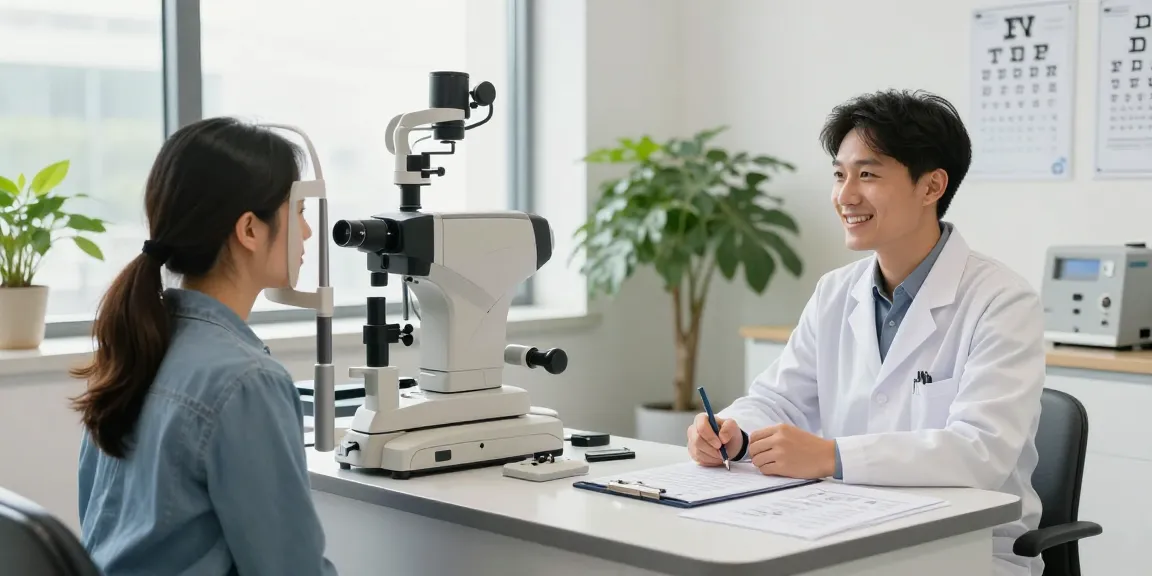
At the SNU Eye Clinic, a comprehensive eye examination includes 52 detailed tests categorized into various areas such as visual acuity, intraocular pressure, and retinal health. This extensive testing ensures that all aspects of a patient’s eye health are thoroughly assessed, paving the way for precise diagnoses and effective treatment plans.
How Tests Inform Personalized Treatment Plans
Test results are instrumental in shaping individualized treatment plans. By evaluating each patient’s unique eye health profile, ophthalmologists can recommend the most appropriate treatments, whether surgical or non-surgical. This personalized approach enhances the likelihood of successful outcomes, adapting to the specific challenges each patient faces.
Importance of Regular Eye Check-ups
Routine eye examinations are essential for maintaining eye health and preventing serious conditions such as glaucoma, cataracts, and macular degeneration. Regular check-ups allow for early detection of issues, which is critical for effective management and treatment.
Personalized Vision Correction Solutions
Understanding 1:1 Vision Correction Approaches
The 1:1 vision correction model emphasizes individualized care, where treatments are uniquely designed for each patient’s needs. This approach not only considers the optometric prescription but also personal lifestyle factors, ultimately leading to improved patient satisfaction and outcomes.
Innovative Technologies Enhancing Vision Outcomes
Technological advancements in the field of eye care, such as wavefront-guided LASIK and femtosecond lasers, are revolutionizing how surgeries are performed. These technologies enable more accurate corrections, resulting in sharper vision and reduced side effects.
Patient Success Stories and Testimonials
Many patients have experienced life-changing improvements in their vision after undergoing treatments at the SNU Eye Clinic. Testimonials highlight stories of restored vision, enhanced quality of life, and the emotional impact of regaining sight. Such success stories exemplify the effectiveness of personalized care and advanced surgical techniques.
The Future of Eye Care and Surgery
Emerging Trends in Eye Treatment for 2026
As we look ahead to 2026, several trends are shaping the future of eye care. These include the integration of artificial intelligence in diagnostics, telemedicine for remote consultations, and further advancements in minimally invasive surgical techniques. These developments promise to enhance patient care and make eye health services more accessible.
Predictions for Technological Advancements in Eye Care
The next few years are expected to bring exciting innovations, such as smart contact lenses capable of monitoring glucose levels in diabetic patients and retinal implant technology that could restore vision to those with severe vision impairments. These breakthroughs will expand the possibilities for treatment and management of eye health.
Preparing for Your Eye Care Journey
Before embarking on an eye care journey, patients should familiarize themselves with the various treatment options available and consult with qualified professionals who can guide them through the process. Understanding the potential risks, benefits, and expected outcomes will empower patients to make informed decisions about their eye health.
What Are the Early Signs of Eye Problems?
Being aware of early warning signs is vital for maintaining eye health. Common symptoms may include blurry vision, difficulty seeing at night, frequent headaches, or sensitivity to light. Recognizing these signs early can lead to prompt intervention and better management of potential issues.
How Often Should You Get an Eye Exam?
Experts recommend that adults have comprehensive eye exams every one to two years, depending on age and risk factors. Those with existing eye conditions or higher risks should consult with their eye care provider for more frequent assessments.
What to Expect During Eye Surgery?
Patients preparing for eye surgery can expect a detailed pre-operative consultation to discuss the procedure, expected outcomes, and post-operative care. On the day of surgery, the actual procedure is typically quick, lasting around 15-30 minutes, with most patients experiencing minimal discomfort.
Are There Risks Associated with ICL Surgeries?
While ICL surgeries are generally safe, patients should be informed of potential risks, including infection, excessive pressure in the eye, or incorrect lens placement. A thorough discussion with an eye care professional can help mitigate concerns and set realistic expectations about the procedure.
Why Choose SNU Eye Clinic for Your Eye Care Needs?
SNU Eye Clinic stands out for its commitment to patient-centered care, advanced technology, and highly specialized medical expertise. With over 50,000 surgeries performed and a comprehensive range of diagnostic tests, patients can trust in the clinic’s dedication to excellence in eye health and treatment.


