Understanding the Fundamentals of Single Column Tensile Testing
The demand for reliable and precise tensile testing has led to innovations in testing technology, particularly with single column tensile testers. These machines, designed to measure the tensile strength of various materials, play a crucial role in quality control across multiple industries, including textiles, construction, and manufacturing. By applying a controlled force to a sample until it breaks, these testers gather vital data about material performance, allowing manufacturers to ensure their products meet applicable safety and quality standards. When exploring options, single column tensile tester provides comprehensive insights into material properties that are invaluable for product development and compliance.
What is a Single Column Tensile Tester?
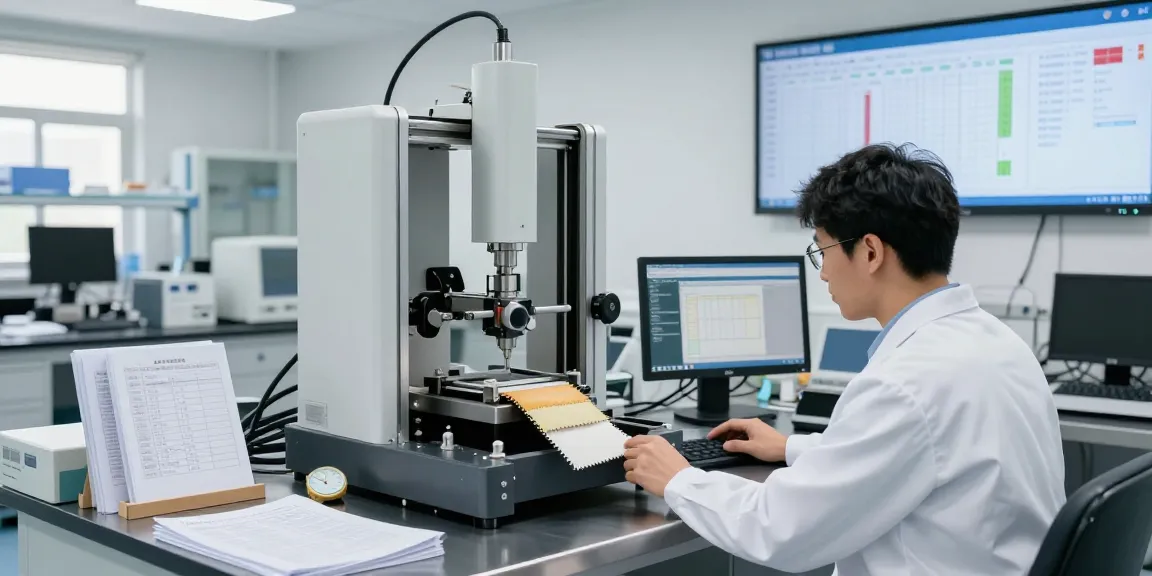
A single column tensile tester is a type of universal testing machine (UTM) used to evaluate the tensile properties of materials. Typically, these testers are equipped with a vertical column that supports the testing equipment. The design allows for efficient space usage and ease of access for operators. These machines specialize in conducting tensile tests which involve pulling a sample material until it breaks, measuring critical parameters such as tensile strength, elongation, and modulus of elasticity.
Key Components and Technical Specifications
Modern single column tensile testers are equipped with various components that enhance their functionality and accuracy. Key components include:
- Load Cells: These devices convert the mechanical force exerted on the sample into an electrical signal, allowing for precise measurements.
- Displacement Transducers: They measure the elongation of the material during testing, providing data on how much the sample stretches before breaking.
- Control Software: This facilitates real-time data analysis and allows operators to set test parameters, monitor the process, and generate reports.
- Safety Features: Many models include overload protection systems to prevent damage to both the tester and the sample.
Operational Mechanism of Single Column Tensile Testers
How the Testing Process Works
The tensile testing process begins by securely clamping the material sample at both ends within the tester's grips. The system then applies a controlled pulling force at a predetermined rate until the sample fails. The software records data such as force applied, elongation, and time, generating a detailed stress-strain curve that visually represents the material's behavior under tension.
Safety Features and User Protections
Safety is a paramount consideration in the design of single column tensile testers. Most modern machines incorporate numerous safety features, including:
- Emergency Stop Mechanisms: These allow operators to halt testing immediately in case of any abnormality.
- Torque and Displacement Monitoring: Advanced systems can detect excessive torque or unexpected displacement, initiating automated shutdowns to protect users and equipment.
- Travel Limit Controls: Prevent the machine from extending beyond its designed movement range, reducing the risk of damage.
Calibrating for Accurate Results
Calibration is critical to ensuring that the results of tensile tests are accurate and reliable. Regular calibration procedures involve checking the accuracy of the load cells and displacement transducers against known standards. Calibration should be performed in accordance with relevant ISO or ASTM guidelines, with adjustments made based on environmental factors that may influence test results.
Comparative Analysis: Single Column vs. Other Tensile Testers
Strengths and Limitations of Single Column Models
Single column tensile testers offer several advantages over traditional dual-column models, including a smaller footprint and generally lower cost. However, they may have limitations in terms of maximum test force and versatility. Dual-column testers, while more robust, can occupy more space and involve greater initial investment. Understanding these trade-offs is essential when selecting the appropriate testing equipment for specific applications.
Choosing the Right Tester for Your Needs
Factors to consider when deciding between single column and other tensile testers include:
- Testing Capacity: Assess the maximum force your materials require. If testing high-strength materials, a dual-column model may be necessary.
- Space Availability: Consider your testing environment. Single column testers can fit into tighter spaces without sacrificing functionality.
- Versatility: Evaluate what types of tests you'll need to conduct. Some testers can be fitted with various fixtures for different materials.
Industry Preferences: Insights from Users
Industry feedback on single column tensile testers has been overwhelmingly positive, particularly for applications in textiles and composites. Users appreciate the accuracy, user-friendly software, and ability to meet diverse testing standards. Many organizations report improved efficiency in quality control processes, leading to enhanced product consistency.
Future Trends in Tensile Testing Technology
Advancements in Testing Accuracy and Speed
As technology continues to advance, the accuracy and speed of tensile testing will improve significantly. Future models are likely to utilize artificial intelligence and machine learning algorithms to predict material behavior based on historical data, enabling more rapid and precise testing cycles.
Integration of Smart Software Solutions
The rise of smart manufacturing has spurred the development of software solutions that connect tensile testers to broader manufacturing systems. This integration allows for real-time monitoring and data analysis, facilitating immediate adjustments to production processes based on test results.
Emerging Standards for Fabric Testing in 2026
As the textile industry evolves, so too will the standards governing material testing. By 2026, we expect new standards to emerge that will provide guidelines for evaluating emerging fabric technologies, such as biodegradable materials and high-performance textiles.
Practical Guidance for Selecting a Single Column Tensile Tester
Factors to Consider When Purchasing
When in the market for a single column tensile tester, consider the following factors to ensure you select the right model:
- Testing Range: Make sure the tester can accommodate the materials you intend to test.
- Software Capabilities: Look for software that offers advanced data reporting features and user-friendly interfaces.
- Service and Support: Evaluate the manufacturer’s reputation for customer support and warranty options.
Cost Analysis and Budgeting Options
Investing in a tensile testing machine is significant, with costs ranging widely depending on the model and features. Entry-level models can start around $3,000, while more advanced machines may cost upwards of $30,000 or more. When budgeting, consider the total cost of ownership, including maintenance, calibration, and potential upgrades.
FAQs: Addressing Common Concerns
What maintenance practices should I implement?
Regular maintenance is crucial for the longevity of your tensile tester. This includes routine cleaning, timely calibration, and checking for wear on key components such as grips and load cells.
How does the tester accommodate different fabric types?
Most single column tensile testers come with interchangeable grips and fixtures designed to handle a variety of materials, from textiles to leather and composites. Ensure you choose compatible accessories for your testing needs.
What are the expected lifespan and durability of the machine?
With proper care and regular maintenance, a well-manufactured single column tensile tester can last many years, often exceeding a decade. High-quality materials and construction contribute to their resilience in demanding testing environments.