Understanding the Importance of a Belt Medical Pouch
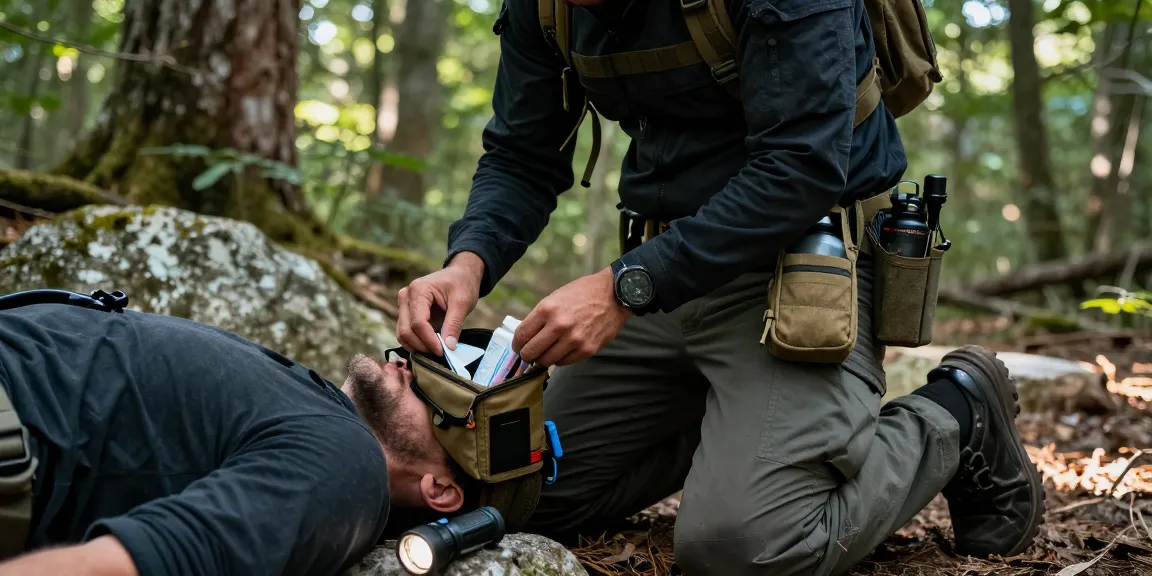
In the realms of tactical response, medical readiness can be the difference between life and death. The Belt Medical Pouch is an essential component for anyone operating in high-risk environments, from law enforcement officials and military personnel to outdoor enthusiasts. The compact design and organized layout ensure that critical medical supplies are readily accessible when every second counts.
What is a Belt Medical Pouch?
A Belt Medical Pouch is a specialized container designed to hold medical supplies necessary for addressing traumatic injuries. Typically worn on the waist, it allows for quick and easy access to life-saving materials during emergencies. Unlike traditional first aid kits, which may be bulky and time-consuming to navigate, the belt pouch is streamlined and optimized for rapid deployment.
Key Benefits of Using a Belt Medical Pouch
- Immediate Accessibility: With a tactical setup, your medical supplies are at hand, minimizing the time required to retrieve them during emergencies.
- Compact Design: These pouches are designed to be low-profile, reducing bulk while still packing essential gear.
- Organizational Efficiency: Well-structured compartments help keep materials organized and prevent confusion in high-pressure situations.
- Durability: Made from robust materials like Cordura nylon, they withstand harsh environments and rough handling.
Real-World Applications in Tactical Environments
In various tactical environments—ranging from law enforcement operations to military training—having a Belt Medical Pouch can enhance operational effectiveness. First responders need to treat injuries promptly, particularly in situations involving gunshots, shrapnel wounds, or explosive blast injuries where every second matters. Tactical teams often train in scenarios that simulate real-life threats; having a medical pouch within reach facilitates immediate treatment for both teammates and civilians alike.
Essential Features of a Quality Belt Medical Pouch
Materials and Durability for Extreme Conditions
When selecting a belt medical pouch, consider materials that can endure extreme conditions. High-quality options are typically made from military-grade fabrics, which are not only water-resistant but also abrasion-resistant. Look for features like reinforced stitching and heavy-duty zippers to ensure they can withstand rugged use.
Design Considerations for Quick Access
A well-thought-out design is crucial for quick access to medical supplies. Pouches should have a layout that allows for rapid deployment. Key features might include:
- Color-coding: Brightly colored components or pull-tabs can help users quickly locate essential items.
- Transparent Compartments: Having see-through pockets allows for easy visual identification of supplies.
- Easily Accessible Zippers: Zippers should be designed for one-handed operation, enabling swift access during emergencies.
Compatibility with Other Tactical Gear
Integration with other tactical gear is essential for maximizing efficiency. Many belt medical pouches come equipped with MOLLE (Modular Lightweight Load-carrying Equipment) attachments, which allow them to be easily combined with vests, backpacks, and other gear. This adaptability ensures that responders can tailor their loadout according to the mission requirements.
How to Properly Organize Your Belt Medical Pouch
Choosing the Right Medical Supplies
The effectiveness of your belt medical pouch relies heavily on the contents inside. Essential supplies often include:
- Tourniquets
- Hemostatic agents
- Compression bandages
- Airway management devices
- Trauma scissors
- Adhesive bandages
Regularly assess your supplies and ensure they are appropriate for the environments you operate in.
Best Practices for Packing Techniques
Efficient packing techniques can significantly improve the usability of your pouch. Here are some best practices:
- Layering: Pack heavier items at the bottom to stabilize the pouch.
- Segmentation: Use dividers to separate different types of supplies, making it easier to find what you need during emergencies.
- Regular Checks: Ensure nothing is expired or damaged, replacing items as necessary to maintain readiness.
Refreshing Your Kit: Maintenance and Updates
Regular maintenance is crucial for ensuring that your belt medical pouch is always mission-ready. Schedule periodic checks to replace expired items and refresh your supplies based on current first aid guidelines.
Training Techniques for Effective Use of a Belt Medical Pouch
Essential First Aid Skills for Tactical Situations
Training in first aid is paramount for maximizing the efficacy of your belt medical pouch. Skills such as applying tourniquets, utilizing chest seals, and managing airway obstructions are vital. Many organizations offer specialized training programs tailored to tactical environments.
Simulating Emergency Scenarios for Practice
Simulating emergency scenarios can help reinforce skills and ensure team members are prepared for real-life situations. Conducting drills where team members are required to access their medical pouches under pressure can enhance efficiency and familiarity with the equipment.
Resources for Continued Learning and Certification
Stay updated with evolving best practices in tactical medicine. Numerous resources, including online platforms, local workshops, and certification courses, offer avenues for continued education. These resources can provide critical updates on techniques and equipment that can enhance your tactical medical readiness.
Future Trends for Belt Medical Pouches in 2026
Technological Advances in Tactical Medical Gear
The future of tactical medical gear, including belt medical pouches, is poised for significant innovation. Advanced materials that are lighter yet more durable will likely become standard, along with smart technologies such as integrated sensors for monitoring vital signs or assessing injury severity.
Predicted Changes in Tactical First Aid Standards
As medical research progresses, standards for tactical first aid may evolve, necessitating updates in the contents of belt medical pouches. Staying informed of such changes is crucial to maintaining readiness.
Emerging Brands and Innovations to Watch
New companies continually enter the tactical medical space, offering innovative gear and supplies. Keeping an eye on emerging brands can provide new options and improvements that enhance your medical preparedness.
FAQs About Belt Medical Pouches
What should I include in my Belt Medical Pouch?
A well-equipped belt medical pouch should contain essential items such as tourniquets, hemostatic dressings, gloves, and airway management tools, tailored to your specific operational environment.
How can I ensure quick access to my medical supplies?
Organizing your pouch effectively with easily accessible compartments and color-coded supplies will enhance your ability to retrieve necessary items under pressure.
Are there specific training courses for using tactical medical gear?
Yes, various organizations offer dedicated courses in tactical medicine that cover the use of medical gear, trauma management, and live simulations to prepare you for real-world situations.
What trends are shaping the future of tactical first aid?
Emerging technologies and a deeper understanding of trauma care are driving innovations in tactical first aid, leading to smarter gear and revised medical protocols.
How to maintain my Belt Medical Pouch for longevity?
Regularly inspect and refresh your supplies, clean the pouch as needed, and ensure that all items are functioning properly to maintain its longevity and effectiveness.