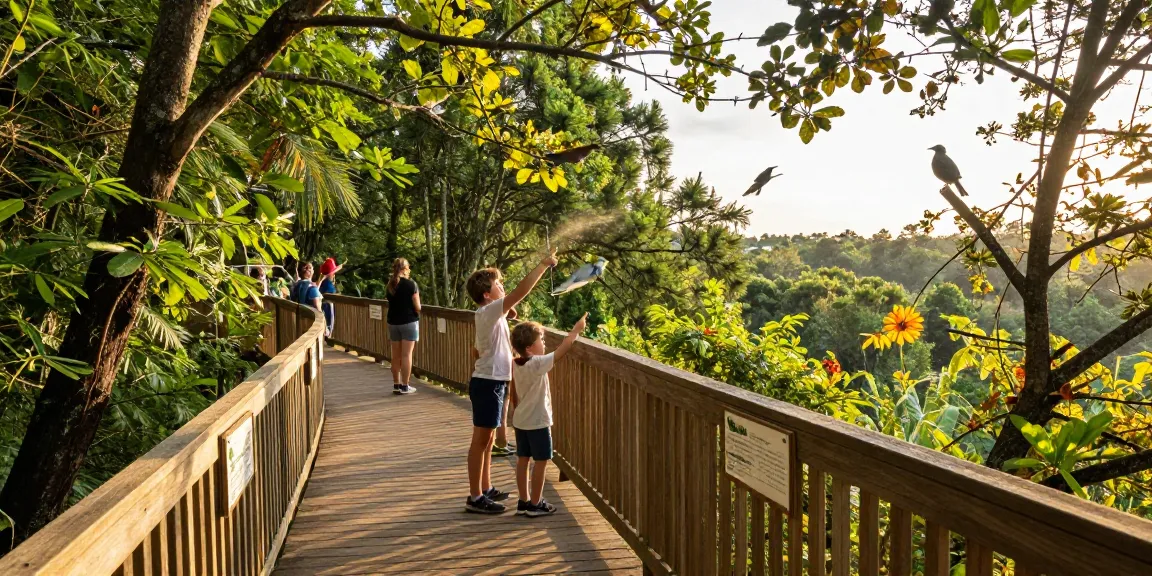
Understanding Treetop Walkways
Treetop walkways have rapidly gained popularity as thrilling attractions that combine adventure with nature appreciation. These elevated paths allow visitors to walk among the treetops, offering unparalleled views of forest ecosystems and a unique perspective on the wildlife that inhabits them. For those eager to explore these breathtaking structures, Treetop Walkway provides comprehensive insights into various locations, features, and the magic of treetop experiences.
What is a Treetop Walkway?
A treetop walkway, often referred to as a canopy walkway, is an elevated structure built to allow pedestrian access to the forest canopy. These walkways can vary significantly in design, height, and length, typically constructed from eco-friendly materials to blend in with the natural surroundings. They can be found in national parks, botanical gardens, and nature reserves worldwide, providing a rare viewpoint to observe forest life up close.
Benefits of Experiencing Treetop Walkways
- Immersive Nature Experiences: Walking through the treetops allows visitors to connect with nature intimately, feeling the breeze, hearing the rustle of leaves, and observing birds in their natural habitats.
- Stunning Scenic Views: Elevated trails often provide panoramic views of the landscape, showcasing the beauty of the forest from a new perspective.
- Educational Opportunities: Many walkways are designed with educational elements, such as informative panels and guided tours, helping visitors learn about the importance of forest ecosystems.
- Promoting Conservation: These structures often serve to promote awareness about conservation efforts, encouraging visitors to appreciate and support the preservation of natural habitats.
Popular Locations for Treetop Walks
Across the globe, numerous destinations offer stunning treetop walkways that attract millions of visitors each year. Some noteworthy examples include:
- Royal Botanic Gardens, Kew (UK): This iconic walkway allows visitors to explore the canopy at 18 metres above ground level, surrounded by diverse plant species.
- The Wild Center (New York, USA): Featuring a series of bridges that lead through the forest, this walkway allows exploration of the Adirondack ecosystem.
- Murch Canopy Walk (Ohio, USA): This 500-foot-long walkway takes visitors 65 feet above the forest floor, providing exceptional views of the Holden Arboretum.
Planning Your Visit
Best Times to Visit a Treetop Walkway
The best time to visit treetop walkways can vary depending on the location and climate. Generally, spring and autumn are ideal, as the weather is usually mild, and the foliage can be particularly picturesque. Summer can also be a great time, although it may bring larger crowds. For those keen on observing wildlife, early mornings or late afternoons tend to be the most active times for birds and other creatures.
Essential Gear for a Comfortable Experience
When planning a visit to a treetop walkway, it is advisable to wear comfortable, weather-appropriate clothing and sturdy shoes suitable for walking. Bringing along essentials such as a water bottle, sunscreen, and binoculars can enhance the experience, allowing for sightseeing and exploration at your leisure.
Accessibility Considerations for All Visitors
Many treetop walkways are designed with accessibility in mind, featuring ramps and handrails to accommodate all visitors, including those with mobility impairments. Before visiting, it is wise to check the specific walkway’s website for detailed information about accessibility features, ensuring a pleasant experience for everyone.
Environmental Impact and Sustainability
How Treetop Walkways Promote Conservation
Treetop walkways play a critical role in forest conservation efforts. By facilitating safe access to the canopy, these structures encourage public interest in forest ecosystems, fostering a greater appreciation for nature and its preservation. Additionally, many walkways are constructed with minimal environmental impact, utilising sustainable materials and designs that do not harm the surrounding environment.
Challenges Facing Forest Ecosystems
Despite their benefits, treetop walkways also highlight the challenges facing forest ecosystems, including deforestation, climate change, and biodiversity loss. By raising awareness of these issues, the public can support conservation initiatives and policies that aim to protect these vital natural resources.
Best Practices for Sustainable Tourism
To ensure that the enjoyment of treetop walkways does not come at the cost of the environment, visitors should follow best practices for sustainable tourism. This includes sticking to marked paths, taking all waste with them, and respecting wildlife by observing from a distance. Supporting local conservation efforts can further enhance the positive impact of these experiences.
Safety and Maintenance of Treetop Walkways
Safety Guidelines for Visitors
While treetop walkways offer thrilling experiences, safety remains a top priority. Visitors should adhere to all posted safety guidelines, which include staying within designated areas, not climbing on barriers, and informing staff of any hazards. Wearing suitable footwear and being mindful of weather conditions can also contribute to a safe visit.
Importance of Regular Maintenance
Regular maintenance of treetop walkways is essential for ensuring visitor safety and preserving the structural integrity of the pathways. Operators must conduct routine inspections to check for wear and tear, ensuring any necessary repairs are promptly addressed. This proactive approach helps maintain the allure and security of these nature trails.
Emergency Protocols and Preparedness
In the event of an emergency, treetop walkways should have clear protocols in place. Staff training and signage outlining evacuation routes can help ensure a swift response to any incidents. Visitors are encouraged to familiarise themselves with emergency procedures prior to embarking on their treetop adventure.
The Future of Treetop Walkways
Innovative Designs and Technologies in 2026
The future of treetop walkways looks promising, with advancements in design and technology set to enhance visitor experiences and environmental sustainability. Innovations such as transparent walkways, interactive educational displays, and environmentally-friendly construction materials are on the rise, making treetop walking an even more captivating experience.
Trends in Eco-Tourism and Sustainability
As eco-tourism continues to gain traction, treetop walkways will increasingly align with sustainability goals. Visitors are becoming more conscious of their environmental impact, prompting operators to adopt eco-friendly practices that not only benefit the environment but also enhance the overall visitor experience.
How Treetop Walks are Shaping Outdoor Recreation
Treetop walks are revolutionising outdoor recreational activities by introducing a unique blend of adventure and education. They cater to families, nature enthusiasts, and thrill-seekers alike, making the forests accessible to a wider audience. As more facilities are developed, they will continue to foster a deepened appreciation for our natural world.
What is the Treetop Walkway like?
Visiting a treetop walkway is typically a breathtaking experience where visitors can relish panoramic views, often accompanied by the sounds of chirping birds and rustling leaves. The sensation of walking among the treetops offers a refreshing escape from urban life, encouraging a connection to nature. Each walkway features unique attributes, making every visit a new adventure.
Where can I find a Treetop Walkway near me?
Finding a treetop walkway nearby is easier than ever, thanks to numerous online resources and maps dedicated to showcasing these attractions worldwide. Whether you’re seeking a local adventure or planning a trip, various websites provide detailed information on locations and visitor experiences.
How do Treetop Walkways support wildlife conservation?
Treetop walkways play a vital role in wildlife conservation by educating the public about the importance of biodiversity and habitat preservation. These structures limit human impact on sensitive forest areas, allowing wildlife to thrive without disruption while simultaneously fostering public interest in conservation efforts.