Understanding Age Perception and Its Importance
Age perception plays a significant role in our lives, influencing how we interact socially and how we are perceived in various contexts. Understanding how old do I look can provide insight into societal expectations and cultural standards. As we delve into the psychology behind age perception, we will explore its implications on self-esteem, social interactions, and even professional opportunities.
What Does It Mean to Look Your Age?
The concept of looking your age is highly subjective and varies across cultures and social groups. Generally, looking your age refers to the visual cues associated with certain age groups, including skin elasticity, hair color, and wrinkles. These physical attributes can lead to broad assumptions about one's health, lifestyle, and even personality. Interestingly, research indicates that people often judge age based on societal norms and stereotypes rather than actual biological aging.
Factors Influencing Age Perception
Several elements contribute to age perception, including:
- Genetics: Inherited features can significantly influence how quickly someone appears to age.
- Environment: Exposure to sunlight, pollution, and lifestyle choices like smoking or diet can affect skin appearance and overall vitality.
- Stress Levels: Chronic stress can accelerate visible aging, making individuals appear older than they are.
- Societal Standards: Media representation plays a crucial role in setting benchmarks for beauty and age, affecting how individuals perceive themselves and others.
How Age Perception Impacts Social Interactions
The way we perceive age affects countless interactions in our daily lives. For instance, younger individuals may find themselves facing stereotypes about their capabilities, while older individuals may deal with biases regarding their adaptability. Understanding these dynamics can help mitigate social misunderstandings and foster better communication across age groups. When exploring options, how old do I look provides comprehensive insights into this ongoing conversation.
Using Technology to Determine How Old You Look
Overview of AI Age Estimation Tools
With advancements in artificial intelligence, various tools are now available that can estimate age based on facial features. These technologies analyze different facial characteristics and apply algorithms to suggest a perceived age. The tools can vary dramatically in terms of accuracy and methodology, often employing machine learning models trained on extensive datasets.
How Accurate Are These Technologies?
The accuracy of AI age estimation tools can be impressive, but they are not infallible. Many factors influence their effectiveness, including:
- Image Quality: High-resolution images yield better results than low-resolution images.
- Lighting Conditions: Poor lighting can distort facial features and mislead the algorithm.
- Data Bias: Algorithms trained on biased datasets may produce inaccurate estimates for certain demographic groups.
Popular Apps and Online Tools
There are numerous applications and websites that allow users to upload pictures and receive an age estimation. Some of the most popular include:
- FaceAge.ai: This app provides AI-powered age estimation through a secure and user-friendly interface.
- Fotor: Known for its ease of use, Fotor also offers a robust age guessing feature without requiring a signup.
- BeautyPlus: Leveraging facial recognition technology, this platform quickly analyzes facial features to provide an age estimate.
Real-Life Applications of Age Estimation
Social Media Trends: Sharing Age Estimates
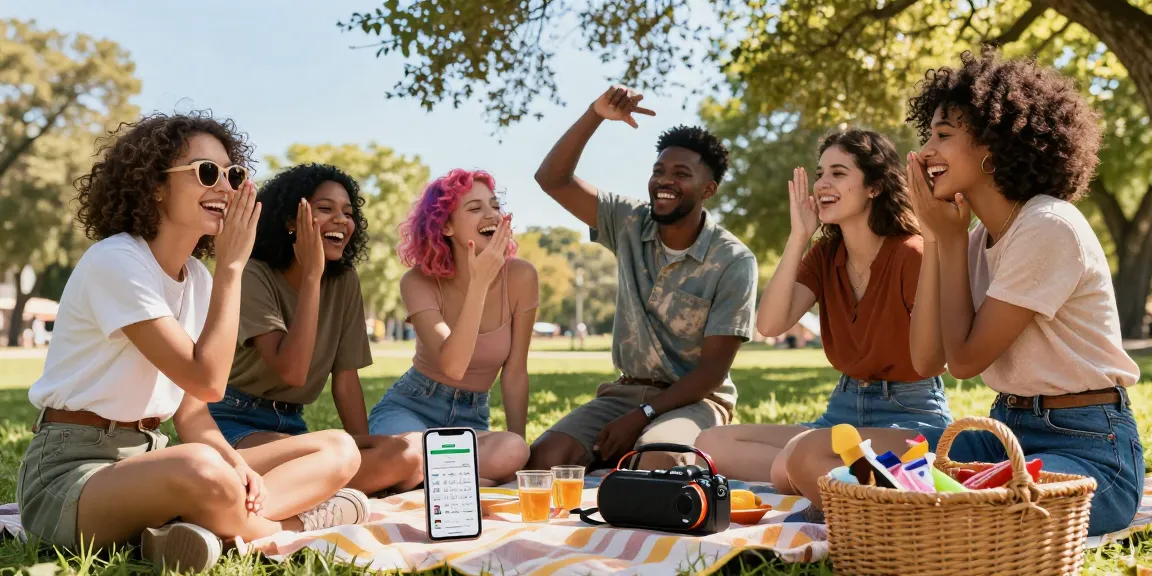
In today's digital age, social media has transformed the way we understand and share perceptions of age. Many users engage in challenges that encourage friends to guess their ages based on uploaded photos. These shared experiences can spark conversations, promote self-acceptance, and create a fun and light-hearted atmosphere.
Engaging Friends: Organizing Fun Challenges
Leveraging technology to create challenges with friends can lead to engaging social interactions. For example, users can invite friends to upload pictures to various age estimation tools and share their results. This interactive approach not only fosters connection but also encourages laughter and acceptance of diverse appearances.
Using Age Perception in Marketing Strategies
Marketers are increasingly utilizing age perception in their campaigns. Understanding the target demographic's perceived age can influence product design, marketing language, and even placement strategies. For example, brands targeting younger audiences may adopt a playful tone, while those focusing on older demographics might emphasize reliability and sophistication.
Common Misconceptions Surrounding Age Appearance
Myths About Age and Beauty Standards
Numerous myths surround age and beauty standards, often perpetuated by media and societal narratives. One significant misconception is that youth equates to beauty, overshadowing the grace and allure often associated with aging. Societal pressure encourages individuals to chase an unrealistic standard of beauty, disregarding the natural aging process.
Understanding the Psychology of Aging
The psychology of aging is multifaceted, encompassing how individuals perceive themselves as they age. Factors like self-confidence, societal acceptance, and personal achievements can shape one's self-image. Embracing a positive attitude towards aging can lead to happier, healthier lives, counteracting the negative stereotypes often associated with getting older.
Addressing Age-Related Stereotypes
Age-related stereotypes can limit opportunities and affect interpersonal relationships. By challenging these stereotypes, individuals and societies can foster inclusivity and understanding across age groups. It's essential to recognize the value of experiences, wisdom, and knowledge that accompany age, as these attributes contribute immensely to communal and professional environments.
The Future of Age Perception Tools in 2026 and Beyond
Emerging Technologies and Their Potential
As technology evolves, so do age perception tools. In 2026 and beyond, we can anticipate more accurate and sophisticated AI algorithms that factor in a broader spectrum of variables. Emerging technologies like virtual reality and more advanced facial recognition systems could redefine how we perceive and engage with age estimation.
Predictions on Social Trends Related to Age Estimation
Social trends are likely to evolve, with greater acceptance of diverse age representations in media and advertising. As younger generations push back against ageist stereotypes, we can expect a cultural shift towards age diversity and celebration. This provides an opportunity for businesses to align with modern values and connect authentically with consumers.
Final Thoughts: Embracing Age Diversity
In conclusion, understanding how we perceive age and the technology that helps us estimate it opens up important conversations about beauty, wisdom, and experience. Embracing age diversity allows us to appreciate the unique qualities each age group brings to society. Rather than viewing age as a limitation, we should celebrate it as a journey rich with stories and lessons.
What age do people think I am based on a photo?
People's perceptions of age may differ significantly based on cultural conditioning and personal biases. Therefore, asking friends or using AI tools can provide varied insights.
How do AI age guessing tools work?
AI age guessing tools work by analyzing facial features, including skin texture, wrinkles, and other markers of aging, using machine learning algorithms trained on vast datasets.
Can looking younger or older affect social life?
Yes, looking younger or older can impact social interactions, as individuals may face underlying biases based on their appearance, affecting relationships and opportunities.
What are the best apps to check how old do I look?
Some of the best apps include FaceAge.ai, Fotor, and BeautyPlus, all of which offer unique features for users to analyze their perceived age.
Will age perception tools continue to be popular?
As technology advances and societal views on aging evolve, age perception tools are likely to remain popular, providing entertainment and insights into our complex relationship with age.