Understanding Emergency Plumbing Needs
Plumbing emergencies can strike at any moment, often when you least expect it. Whether it’s a sudden pipe burst or a clogged drain that leads to flooding, understanding what constitutes a plumbing emergency is crucial for homeowners. Timely recognition of these issues can prevent extensive damage and costly repairs. For a deeper understanding of your options in these dire situations, this page provides comprehensive insights and resources tailored for emergencies.
What Constitutes a Plumbing Emergency?
A plumbing emergency is any situation that poses a threat to your property or health. This may include severe leaks, sewer backups, or loss of water supply. Unique scenarios can arise, particularly in older homes or during extreme weather conditions, making the definition of an emergency somewhat fluid. Typically, an emergency is characterized by
- Uncontrolled water flow
- Blocked sewer lines
- Unpleasant odours indicating sewage backups
- Sudden loss of hot water
- Leaky pipes that cannot be contained
Common Signs Your Plumbing Requires Immediate Attention
There are several tell-tale signs that indicate your plumbing needs urgent care. Homeowners should be vigilant for:
- Wet spots on walls or ceilings
- Drains that consistently clog
- Unusual noises coming from pipes
- Low water pressure
- Foul smells from drains or around pipes
Pain Points Faced by Homeowners in Plumbing Crises
Homeowners often face several challenges during plumbing emergencies. These include not only the physical damage caused by water but also the emotional stress associated with unexpected expenses and the disruption to daily life. Other pain points include:
- Uncertainty about how to react safely
- Difficulty in locating a reliable emergency plumber
- Fear of escalating repair costs
- Potential health risks related to contaminated water
Choosing the Right Emergency Plumber
Selecting the right emergency plumber is essential to mitigating the damage and resolving the issue promptly. It’s crucial to ensure that your chosen plumber is equipped to handle your specific emergency effectively.
Key Traits to Look for in a Reliable Plumber
When selecting a plumber, consider the following attributes:
- Licensing and insurance: Confirm that they are licensed to operate in your area and have appropriate insurance coverage.
- Experience: Look for a plumber with a proven track record in handling emergencies.
- Response time: Evaluate how quickly they can respond to urgent situations, ideally within the hour.
- Transparent pricing: A trustworthy plumber will provide estimates without hidden fees.
How to Verify Credentials and Reviews
To avoid subpar services, take the time to verify a plumber’s credentials. This can be done through:
- Checking online reviews and ratings on platforms like Google and Yelp.
- Asking for references from previous customers.
- Consulting local business bureaus for complaints or disciplinary actions.
Importance of Local Knowledge in Northampton
Choosing a plumber with local knowledge can make a significant difference. They will be familiar with common plumbing issues in Northampton, whether it be older pipe systems or local regulations. Their insights can help expedite the repair process and avoid recurring problems.
Actions to Take During a Plumbing Emergency
When faced with a plumbing crisis, the steps you take can significantly impact the outcome. Acting quickly and efficiently is paramount to minimizing damage.
Step-by-Step Guide for Homeowners
Here is a simple guide for homeowners to follow during a plumbing emergency:
- Shut off the water supply to prevent further flooding.
- Identify the source of the issue, if safe to do so.
- Contact an emergency plumber immediately.
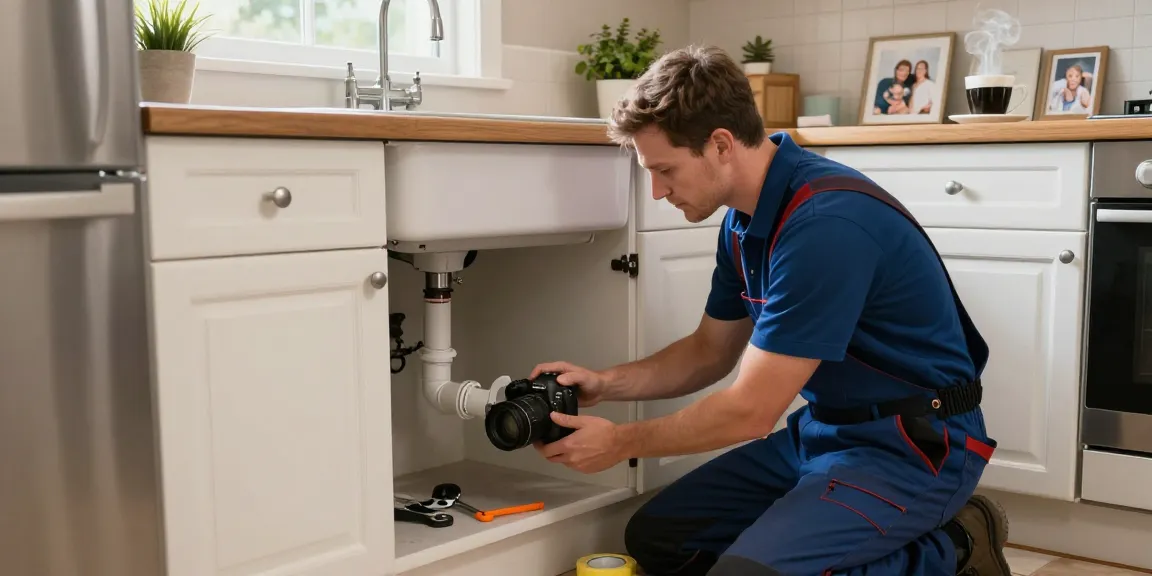
- Document the situation with photos for insurance purposes.
- Begin removing excess water, if possible, to prevent damage to belongings.
Temporary Solutions to Minimize Damage
While waiting for professional help, you can implement temporary fixes to mitigate damage:
- Use towels or a shop vacuum to soak up water.
- Seal leaks with tape or putty, if possible.
- Redirect water flow using buckets to contain leaks.
When to Call a Professional Immediately
Some situations demand immediate professional intervention, such as:
- Gushing water from broken pipes.
- Water pooling around electrical outlets.
- Sewage backing up into your home.
If you encounter any of these scenarios, do not hesitate to call for help.
Preventative Measures for Future Plumbing Issues
Prevention is always better than cure, especially with plumbing issues that can lead to costly damages. Incorporating maintenance practices can spare you future headaches.
Regular Maintenance Practices to Adopt
Consider the following maintenance strategies:
- Schedule regular inspections of your plumbing system.
- Flush your water heater annually to eliminate sediment build-up.
- Inspect pipes for rust or corrosion and replace them as needed.
Common Plumber Tips for Homeowners
Here are essential tips from plumbers that can help prevent emergencies:
- Never pour grease down the drain; it solidifies and causes blockages.
- Use strainers in sinks to catch debris and prevent clogs.
- Know the location of your main shut-off valve.
How to Detect Issues Before They Escalate
Being proactive can save hundreds in repairs. Look out for subtle signs such as:
- Changes in water pressure.
- Increased water bills with no apparent reason.
- Signs of water damage in walls or ceilings.
The Future of Plumbing Services
As we look toward the future, plumbing services are evolving rapidly, influenced by technological advancements and changing consumer needs.
Trends in Emergency Plumbing Solutions by 2026
By 2026, we expect several trends to define emergency plumbing services:
- Enhanced digital communication platforms enabling real-time updates and remote diagnosis.
- Increased use of eco-friendly products and practices.
- Greater integration of artificial intelligence for leak detection and predictive maintenance.
Technological Innovations Influencing the Industry
Advancements in technology are revolutionizing plumbing. Innovations such as smart water sensors and automated leak detection systems will become more common, offering homeowners added peace of mind and efficiency.
How Homeowners Can Prepare for Future Emergencies
Preparation is crucial. Homeowners should consider:
- Creating a detailed emergency contact list, including trusted plumbers.
- Investing in home insurance that covers plumbing issues.
- Educating family members about basic plumbing systems and emergency procedures.